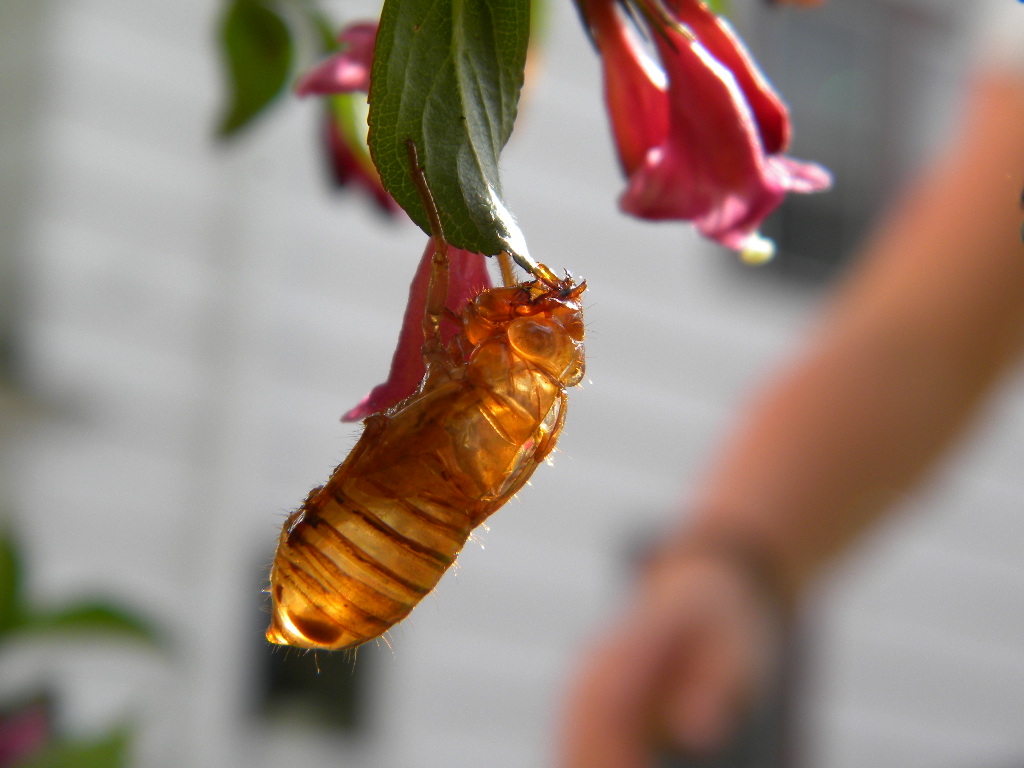
Yesterday's post had me thinking that I didn't remember sharing photos of some pretty awesome fungi from a hike Ani and I took with my cousin Jessica in July.
Yes, there were two people and a dog with me...they are really amazing too...
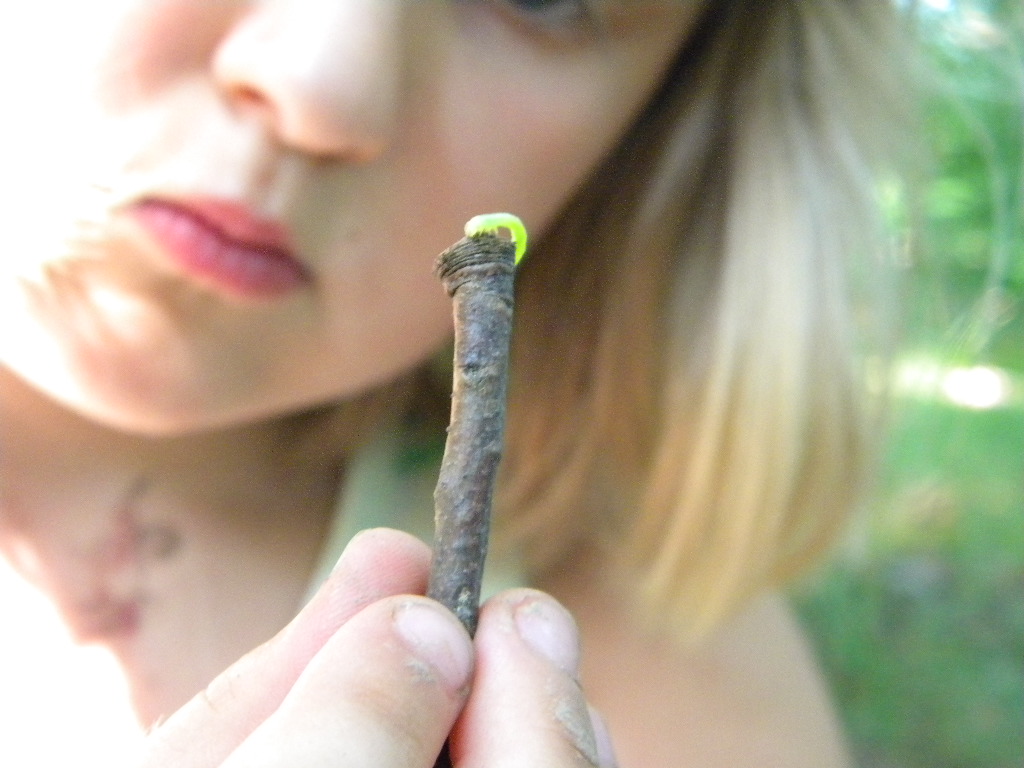
And there was an inch worm...
Little mossy home for "inchy"...
But what I've really been wanting to share is this photo of an earthstar mushroom (can you hear the incredulity? the awe in my voice? that such a thing exists and I got to see it?)

All because I happened to glance down at the right time - these little mushrooms were only the size of a dime or so (I think they can be much larger), and I think I will spend a good bit of every hike I take from now till forever, hoping I can see another one. Yes, I am that dorky, and yes, it was
that cool.
There is a good reason as to why fungi are on my mind; Poor Will calls this coming week, the second week of September and the first week of
early fall,
The Week of The Puffball Mushrooms (yes, we saw some of those yesterday as well)...read on to find out what all is happening now in the world while the puffballs are growing in the dark...
The Week of the Puffball Mushrooms (taken from
Poor Will's Almanack; and I just have to mention that the whole time I've been writing this there has been a female goldfinch talking to me on the other side of the screen in my kitchen window. She sits and chatters while Mr. Goldy eats, and eats and eats.)
One of the first signs of early fall is the appearance of giant white
puffball mushrooms in the woods. As the sun moves to within a few
degrees of equinox, other creatures tell the time as well as puffballs.
Sycamores, locust, elms, box elders, chinquapin oaks, lindens and
redbuds show their autumn colors. Leaves gather in the backwaters and
on sidewalks and paths. Sycamores are changing to a golden green,
dogwoods to pink. Bright patches of scarlet sumac and Virginia creeper
mark the fencerows. Some ash and cottonwoods are almost bare. Slippery
elms are turning yellow-brown, and poplars fade.
The rich scent of late summer pollen is almost gone by end of the week,
replaced by the pungent odor of fallen apples and leaves. Cicadas are
dying. Bees are awkward and stiff in the cool mornings. Sometimes on
sunny days, woolly bear caterpillars swarm across the roads. Kingbirds,
finches, ruddy ducks, herring gulls and yellow-bellied sapsuckers move
south.
Most berries are gone from the wild cherry trees when puffball mushrooms
grow in the dark. The fat osage fruits are falling. Berries are red
on the silver olives, orange on the American mountain ash, purple on the
pokeweed. The domestic plants of local ponds are shriveling: the water
lettuce, hyacinth and pickerel. The green frogs are finally silent.